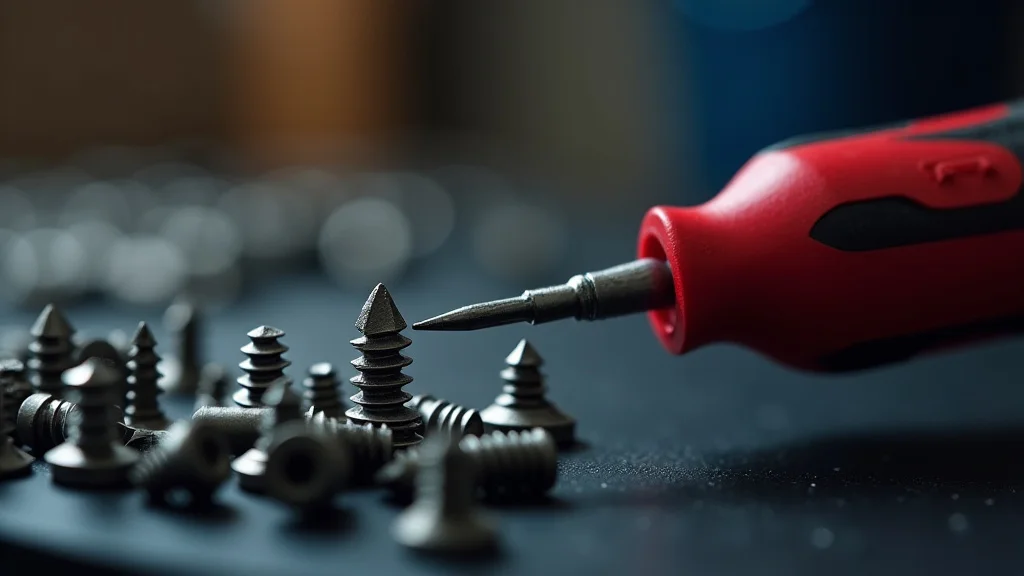
Ever tried to assemble flat-pack furniture and found yourself wrestling with a screw driver? It’s a common experience, and often a frustrating one. Perhaps the screw head gets stripped, or your wrist starts aching. This guide aims to transform those frustrating moments into satisfying accomplishments. You will explore the proper methods for choosing and using a screw driver, so you can tackle projects with confidence and efficiency. This will equip you with essential skills, improving your DIY capabilities and giving you practical knowledge you can apply right away.
Key Takeaways
- Learn about different types of screw drivers and their specific uses.
- Discover the correct techniques for inserting and removing screws effectively.
- Understand the importance of choosing the right screw for the job.
- Gain tips for preventing common problems like stripped screw heads.
- Explore safety precautions to protect yourself while using a screw driver.
Choosing the Right Screw Driver for the Task
The first step in any successful project is selecting the proper tools. Choosing the right screw driver can significantly impact the ease and quality of your work. Many different screw driver types exist, each designed for specific screw heads and applications. Using the wrong one can damage both the screw and the material you’re working with, leading to frustration and wasted time. This section will explore the various types of screw drivers and assist you in making the best selection for your needs.
Types of Screw Driver Heads
Screw drivers come with various head styles, each designed to match a specific type of screw. Matching the screw driver head to the screw head ensures a secure grip and prevents slippage. Some of the most common include flathead, Phillips, and Torx. Ignoring these differences will cause problems and delays. Let’s explore the best applications for each.
- Flathead Screw Drivers: These have a flat, wedge-shaped tip and are designed for screws with a single, straight slot in the head. They are a classic design but are prone to cam-out, where the screw driver slips out of the screw head, particularly under high torque. Flathead screws are often used for general-purpose applications where aesthetics are not a primary concern. The flathead screw driver, though simple, requires careful alignment to avoid damaging the surrounding material.
- Phillips Screw Drivers: These feature a cross-shaped tip, designed to center the screw driver and reduce cam-out. Phillips screws are commonly found in household appliances, furniture, and electronics. The design allows for greater torque to be applied without the risk of slipping as easily. They are known for their ease of use and are very user-friendly for beginners.
- Torx Screw Drivers: Known as star-shaped screw drivers, they provide a very secure grip and are less prone to cam-out than Phillips screw drivers. Torx screws are frequently used in the automotive and electronics industries, where high torque is often required. The multi-point contact helps distribute force more evenly, preventing stripping.
- Square or Robertson Screw Drivers: These have a square-shaped recess in the tip and are common in North America. They offer a self-centering design and reduce slippage. Square-head screws are often used in construction and woodworking due to their reliability.
Screw Driver Handle Types
The handle of a screw driver is just as important as the head. It provides the grip and leverage needed to turn the screw effectively. Handles vary in shape, material, and features, each providing a different level of comfort and control. The proper handle type can improve grip and reduce hand fatigue, especially during extended use.
- Standard Handles: These are typically made from plastic or wood and offer a basic grip. They are suitable for general-purpose use and are often the most affordable option. Their ergonomic designs help reduce strain.
- Ergonomic Handles: Designed to fit the hand comfortably, ergonomic handles often have rubber or textured grips. They provide enhanced control and reduce strain during prolonged use, making them a great choice for frequent tasks.
- T-Handle Screw Drivers: T-handle screw drivers offer increased leverage, making them ideal for tightening or loosening screws that require high torque. They are commonly used in mechanical work where substantial force is needed.
- Ratchet Screw Drivers: These allow you to turn screws without removing and repositioning the screw driver. They are especially useful in tight spaces. Ratchet mechanisms increase efficiency by allowing for continuous turning motion.
Proper Techniques for Using a Screw Driver
Once you have selected the right screw driver, the next step is to learn the correct techniques for using it. Proper technique can make all the difference between a quick, easy task and a frustrating, time-consuming one. It is essential for ensuring your projects are done correctly. Practicing these techniques will improve your efficiency and prevent damage.
Inserting Screws
Proper insertion techniques are key to preventing stripped screws and ensuring a tight fit. The goal is to drive the screw straight and securely into the material. Taking the time to do it right can save a lot of frustration. This process depends on several factors, including the type of screw and material.
- Preparation: Begin by selecting the correct screw for the job, considering its length and head type. If you are working with wood, it’s often helpful to pre-drill a pilot hole, especially for hard woods. This prevents the wood from splitting and makes it easier to drive the screw in straight.
- Alignment: Place the screw driver head firmly into the screw head, ensuring a snug fit. The screw driver should sit securely in the screw head to avoid slipping. A good alignment minimizes the risk of stripping the screw.
- Application: Apply steady, even pressure to the screw driver while turning it. Rotate the screw driver in a clockwise direction to drive the screw in. Maintain constant pressure to keep the screw driver in place.
- Finishing: Continue turning the screw until it’s flush with the surface or slightly recessed, depending on your project requirements. Avoid over-tightening, as this can strip the threads or damage the material. If you are using a power screw driver, slow down as the screw nears its final position.
Removing Screws
Removing screws can sometimes be more challenging than inserting them, especially if they are old or corroded. The correct removal techniques can prevent damage to the material and make the process easier. Using the right method can minimize frustration and make the job smoother.
- Preparation: Select the correct screw driver for the screw head. Make sure the screw driver head is in good condition and fits snugly. Choose a screw driver that will provide a strong grip on the screw.
- Alignment: Place the screw driver head firmly into the screw head. If the screw is rusted or damaged, you may need to apply more pressure. Proper alignment is vital.
- Application: Apply steady, even pressure and turn the screw driver counter-clockwise. If the screw is stuck, try applying more pressure and use a slow, controlled turning motion. Use a small amount of penetrating oil if the screw is significantly rusted or stuck.
- Dealing with Difficult Screws: If the screw is stripped, try using a larger screw driver or a screw extractor. Another option is to use a rubber band or steel wool between the screw driver and the screw head to improve grip. Consider using pliers or locking pliers to grip the screw head if it is accessible.
Choosing the Right Screws
Selecting the right screw is essential for any project. The type, length, and material of the screw determine the success of your work. The correct screw ensures the connection is secure and will last. Proper screw selection prevents problems like stripping, splitting, and structural failure. Consider the material you are working with when choosing your screws.
Screw Types and Materials
Screws are made from various materials and come in numerous types, each designed for specific purposes. Selecting the proper screw involves considering the application, the material being fastened, and any environmental factors. Choosing wisely will improve the outcome of your project. Let’s explore several types and materials.
- Wood Screws: These are designed specifically for use in wood. They have a tapered shank, allowing them to firmly grip the wood. Wood screws come in various lengths and head styles, such as flathead, oval head, and round head. They are made from steel and are often coated for corrosion resistance.
- Machine Screws: Used to fasten metal components together, machine screws have a straight shank and a uniform diameter. They are available in various head styles and sizes. Machine screws are often paired with nuts or threaded holes.
- Sheet Metal Screws: These have sharp, pointed threads designed to cut into sheet metal. They typically have a pointed tip. They are suitable for use with thin metal materials.
- Drywall Screws: Designed for securing drywall to wood or metal studs, these screws have a special head designed to countersink into the drywall without tearing the paper. Drywall screws are usually coated for corrosion resistance.
- Screw Materials: Screws are made from various materials, including steel, stainless steel, brass, and aluminum. The material affects their strength, corrosion resistance, and suitability for different applications. Stainless steel screws are a great choice for outdoor or wet environments. Brass screws are often chosen for decorative purposes.
Screw Length and Diameter
The length and diameter of the screw are critical factors to consider. Choosing the wrong size can lead to inadequate holding power, structural issues, or damage to the materials. This choice can drastically affect the stability of your project. Let’s consider some key aspects.
- Screw Length: The length of the screw should be long enough to penetrate deep enough to secure the materials, but not so long that it protrudes through the other side. A general rule of thumb is to have the screw penetrate at least two-thirds of the thickness of the material being fastened. For example, for a 1-inch thick piece of wood, you should use a screw at least 2/3 of an inch long.
- Screw Diameter: The diameter of the screw should be appropriate for the material being fastened and the anticipated load. A larger diameter screw provides greater holding power but may require pre-drilling. If the screw diameter is too large, it can split the material.
- Threads: Screws come in different thread types, including coarse threads and fine threads. Coarse threads are generally used in softer materials like wood, while fine threads are typically used in metal. Choose the thread type that best suits the material.
- Head Style: The head style of the screw is also important and depends on aesthetics and functionality. Consider countersunk heads if a flush finish is needed, or choose rounded or pan heads if you need a decorative look.
Preventing Common Problems and Ensuring Safety
Working with a screw driver can be straightforward, but it’s essential to be aware of the potential problems and to take appropriate safety precautions. A proactive approach will not only prevent common issues but also improve your safety. With the right practices, you can avoid these problems and enjoy a safer, more productive work experience.
Avoiding Stripped Screw Heads
Stripping a screw head is a common frustration, but it can be prevented with some simple techniques. Stripped screw heads can make it impossible to tighten or remove the screw, resulting in wasted time and potential damage to the materials. Taking steps to prevent this can save you a lot of trouble. This usually occurs because of improper technique or the wrong tools.
- Use the Correct Screw Driver: Always use the right screw driver for the screw head type. If you are using a Phillips head screw, ensure that the screw driver has a compatible tip.
- Apply Firm, Even Pressure: Maintain consistent pressure on the screw driver while turning the screw. This will help keep the screw driver firmly seated in the screw head.
- Avoid Over-Tightening: Over-tightening can strip the screw head. Stop turning once the screw is secure. Consider the material you are working with.
- Pre-Drill Pilot Holes: For hard materials, pre-drilling pilot holes can make it easier to insert the screw and prevent stripping. This reduces the force needed to drive the screw.
- Use Screw Drivers with Good Quality: Investing in high-quality screw drivers will provide a better grip. These screw drivers usually have higher-quality tips designed for increased durability.
Safety Practices
Safety should always be your priority when working with tools, including a screw driver. Accidents can occur if you’re not careful. Keeping these safety tips in mind can help you avoid injuries and create a safer workspace.
- Eye Protection: Always wear safety glasses or eye protection to protect your eyes from debris. Small splinters or fragments could easily cause eye injuries.
- Use Proper Lighting: Ensure you have adequate lighting in your work area to see clearly. Good lighting will help prevent mistakes and improve your accuracy.
- Stable Work Surface: Keep your work surface stable to prevent accidents. If you are working on a ladder, take extra precautions and use a spotter when necessary.
- Keep the Work Area Clear: Keep your work area tidy and free of clutter. This will prevent tripping hazards and make it easier to move around.
- Avoid Overreaching: Do not overreach while working. Keep the work within easy reach. If you must reach, always move your position to avoid overstraining.
Screw Driver Care
Taking care of your screw driver will extend its lifespan and maintain its effectiveness. Proper storage and maintenance help keep your tools in excellent condition, ensuring they are always ready to use. This can prevent damage and extend the tool’s lifespan.
- Cleaning: After each use, wipe off any dirt or debris from the screw driver. This keeps the tip clean and improves grip.
- Storage: Store your screw drivers in a dry place to prevent rust. Consider using a tool organizer to keep them organized and easy to find.
- Maintenance: Check the screw driver tips for wear and tear. Replace screw drivers if the tip is damaged or worn out, as this can lead to stripping or injury.
- Handle Care: Check handles for any cracks or damage. Replace them if needed.
- Proper Tool Usage: Use each screw driver for its intended purpose. Avoid using them to pry or as makeshift hammers.
In 2023, the global hand tools market was valued at approximately $28.3 billion, demonstrating the widespread use of these essential tools. Proper usage and care can extend the longevity of your tools and save you money in the long run.
| Tool Type | Average Lifespan (Years) | Factors Affecting Lifespan |
|---|---|---|
| Screw Driver | 2-5 | Use frequency, quality of materials, maintenance |
| Wrench | 3-7 | Storage, application of proper force, and proper selection |
| Hammer | 5-10 | Usage environment and whether it is used in its intended application |
Common Myths Debunked
Myth 1: Any Screw Driver Will Work
Many people believe that any screw driver can be used for any screw. However, using the wrong screw driver can damage the screw and the material you’re working with. Matching the screw driver head to the screw head is important for a secure grip and preventing slippage. The proper tool selection is the first step towards a successful project.
Myth 2: More Torque is Always Better
While increased torque can be helpful, especially when dealing with stubborn screws, applying too much force can strip the screw head or damage the material. Knowing when to stop tightening is vital. It’s best to apply consistent pressure rather than excessive force.
Myth 3: Pilot Holes are Not Always Necessary
Some individuals believe that pre-drilling pilot holes is an unnecessary extra step. However, using pilot holes can significantly improve the accuracy of the work and reduce the chance of splitting the wood, particularly with hardwood. Pilot holes make it much easier to drive the screws in straight.
Myth 4: A Stripped Screw is Impossible to Remove
It’s a common misconception that once a screw head is stripped, removal is impossible without causing damage. Several methods can be employed to remove stripped screws, like using screw extractors or rubber bands. It may be tricky, but removal is frequently achievable.
Myth 5: All Screw Drivers Are Made the Same
This is simply not the case. Different quality materials and manufacturing processes exist. Higher-quality screw drivers often feature hardened tips and ergonomic handles, providing better performance and comfort. Buying a cheap screw driver is not always the best solution.
Frequently Asked Questions
Question: What do I do if a screw head is stripped?
Answer: Try using a screw extractor, a rubber band, or a larger screw driver. Sometimes, gripping the screw head with pliers can help.
Question: How do I prevent a screw head from stripping?
Answer: Use the correct screw driver size and type, apply firm, even pressure, and avoid over-tightening. Pre-drilling pilot holes helps, too.
Question: Which screw driver is best for furniture assembly?
Answer: A Phillips-head or a square-head (Robertson) screw driver is often the best choice for furniture assembly, as these are the most commonly used screw types.
Question: What’s the difference between a Phillips and a flathead screw driver?
Answer: A Phillips screw driver has a cross-shaped tip and is less prone to cam-out, while a flathead screw driver has a flat, wedge-shaped tip and is more prone to slipping.
Question: Can I use a power screw driver for every project?
Answer: Power screw drivers can be useful, but use them with caution, especially with soft materials. Always adjust the torque setting to prevent over-tightening.
Final Thoughts
Mastering screw driver usage is about more than just turning a screw. It’s about understanding the nuances of tool selection, proper technique, and safe practices. This guide provided insight on the different types of screw drivers, how to correctly insert and remove screws, and strategies for avoiding problems like stripped screw heads. Remembering these tips will significantly improve your skills and efficiency in your DIY projects. So, the next time you encounter a screw, you’ll be ready to tackle it with confidence and precision. With some practice, you will become a true pro.