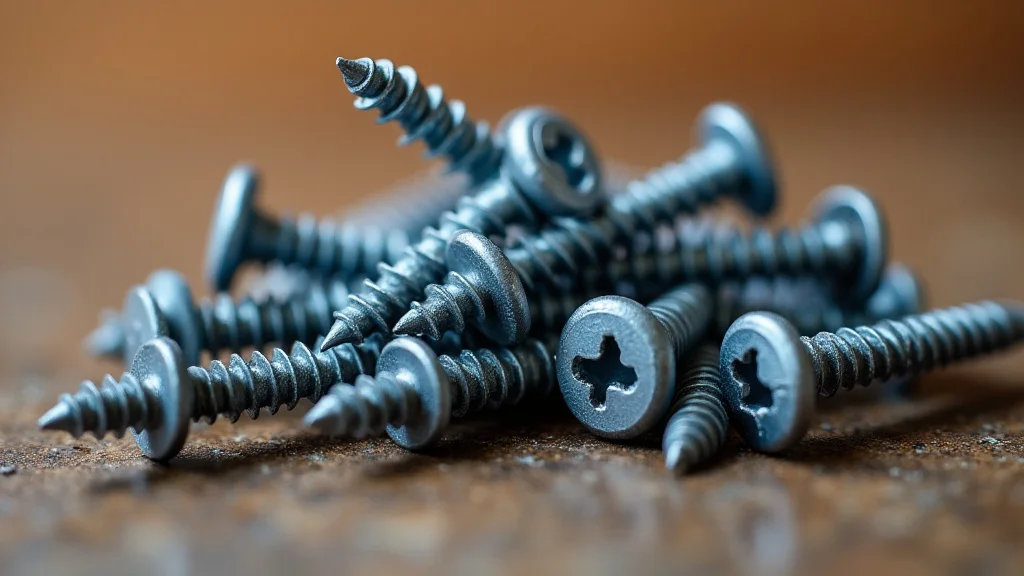
Ever tried to hang a picture, only to find the screw just spins in the wall? Or maybe you’ve assembled furniture and been left with a pile of extra hardware? The right screw can make all the difference. This post explores #6 screws, answering the basic question: what are #6 screws? You’ll gain a solid grasp of different types, sizes, and applications, ensuring you choose the perfect fastener for your next project. By reading this, you’ll avoid common mistakes and complete your DIY jobs with confidence.
Key Takeaways
- Learn the fundamental characteristics of #6 screws, including their dimensions and common uses.
- Discover the different types of #6 screws, such as wood screws, sheet metal screws, and machine screws.
- Understand how to measure a #6 screw and the significance of its head type and drive style.
- Find out where to use #6 screws effectively and avoid common pitfalls.
- Explore material considerations to improve project outcome.
- Acquire essential tips for proper installation.
Unveiling the World of #6 Screws
Imagine yourself standing in the hardware store, surrounded by a dizzying array of screws. You’re working on a home repair, and you realize you need a fastener. Knowing the basics of what are #6 screws is a great starting point for any DIY enthusiast or professional. This initial introduction serves as an exploration of the fundamental characteristics that define #6 screws. This includes their dimensions and the most popular applications where these screws are employed. Recognizing the unique qualities of these screws will establish a strong base for selecting the right type, preventing problems and improving the outcome of your project.
Decoding the Numbers: Size and Measurement
The term “#6” refers to the screw’s diameter. This measurement, however, isn’t in inches or millimeters; it’s a number assigned by a standardized system. The diameter of a #6 screw is approximately 0.138 inches, or about 3.5 millimeters. While this might seem small, the precise sizing makes these screws ideal for various tasks, particularly where detailed work and control are needed. Screw lengths are measured from under the head to the tip, allowing you to choose the screw appropriate for your project’s thickness and requirements. Knowing these measurements helps select the right screw.
- The number indicates the screw diameter.
- A #6 screw has a diameter of roughly 0.138 inches.
- Screw length is measured from the underside of the head to the tip.
- Precise sizing facilitates control for different tasks.
The Anatomy of a #6 Screw: Head, Drive, and Thread
Screws are much more than just a pointed metal rod. They consist of a head, a drive, and threads. The head provides the surface to apply torque when tightening, with different head shapes serving different functions. Common head types include flat, pan, and oval heads. The drive refers to the groove or recess in the head that accepts the screwdriver or bit; popular drive types include slotted, Phillips, and square drives. Threads are the ridges that wrap around the screw’s shaft; they vary depending on the screw’s intended material. The selection of the head, drive, and thread depends on the material to be fastened and the appearance desired. This is crucial when considering the question: what are #6 screws?
- The head shape influences how the screw sits against the material.
- The drive type determines the tool needed for installation.
- The thread type affects how well the screw grips the material.
- Choosing the right components is key to a secure fit.
Material Matters: Selecting the Right Composition
The materials a screw is made from directly influence its performance and durability. Common materials include steel, stainless steel, and brass. Steel screws are a versatile, cost-effective option for general use. Stainless steel offers superior corrosion resistance, making it perfect for outdoor or moist environments. Brass screws are valued for their aesthetic appeal and corrosion resistance, suitable for decorative and electrical applications. Choosing the appropriate screw material is crucial for the longevity and functionality of your project, answering another part of the question: what are #6 screws?
- Steel screws are good for everyday use.
- Stainless steel resists rust and is suitable for outdoor applications.
- Brass screws offer aesthetic appeal and electrical properties.
- The material choice depends on environmental conditions and aesthetic needs.
Exploring the Variety: Different Types of #6 Screws
Understanding what are #6 screws also involves knowing the many kinds available. Different screw types are engineered for different applications. Wood screws are designed with coarse threads for gripping into wood. Sheet metal screws feature sharp threads that cut into metal. Machine screws are designed for use with pre-tapped holes, often used in mechanical assemblies. The selection of the correct screw type depends on the material being fastened and the forces the joint will experience. Choosing the right screw type boosts the strength and durability of the finished product.
Wood Screws: The Fundamentals
Wood screws are a staple in carpentry and woodworking projects. They feature coarse threads, designed to bite firmly into wood, providing a strong grip. They typically have a tapered shank, allowing them to draw the wood pieces together. Wood screws come in various head styles, including flat, oval, and round, each serving a different purpose. Flat head screws countersink smoothly, while oval heads offer a decorative finish, and round heads provide more surface contact. These screws are available in various lengths, catering to projects of different sizes. Choosing the right wood screw ensures a robust and long-lasting connection in your woodworking endeavors.
- Coarse threads are perfect for gripping wood.
- Tapered shanks help draw wood pieces together.
- Head styles vary for different aesthetic and functional needs.
- They come in various lengths to accommodate various thicknesses.
Sheet Metal Screws: Working With Metal
Sheet metal screws are specialized fasteners designed to work with metal sheets. They feature sharp threads and a pointed tip, allowing them to self-tap into metal without needing a pre-drilled pilot hole. These screws come in various head styles, like pan, hex, and flat, offering options for different needs. The selection of sheet metal screws depends on the thickness and type of metal, with specific screws engineered for steel, aluminum, or other metals. These screws are essential for construction projects and many DIY tasks where the joining of metal sheets is required. Knowing the right type will strengthen your construction process.
- Sharp threads and pointed tips make for self-tapping into metal.
- Multiple head styles offer versatility.
- Selection relies on the metal’s thickness and type.
- Essential for sheet metal projects and many DIY endeavors.
Machine Screws: Applications and Uses
Machine screws are engineered for use with pre-tapped holes or nuts, offering a precise and secure fastening solution. Unlike wood or sheet metal screws, machine screws do not create their own threads; they require threads to be prepared in the material beforehand. They have a straight shank and uniform threading along their length, which is beneficial for mechanical assemblies. Machine screws are often used in machinery, appliances, and electronics, where precise assembly is critical. These screws are available in various head styles, including flat, pan, and button heads, each designed for a specific task or aesthetic preference. The selection of machine screws needs a pre-tapped hole for correct functionality.
- Designed for use with pre-tapped holes.
- Feature a straight shank with uniform threading.
- Commonly used in machinery, appliances, and electronics.
- Available in various head styles for different needs.
Installation Know-How: Using #6 Screws Effectively
Selecting the right screw is just half the battle; proper installation is equally important. Correct installation practices ensure the screw performs its intended function, providing a secure and lasting connection. This includes preparing the material, choosing the appropriate driving tool, and applying the right amount of force. Knowing how to install your screws will improve the lifespan of the project and your craftsmanship. Here’s a brief exploration of the best ways to incorporate what are #6 screws in your plans.
Pre-Drilling and Pilot Holes: Preparing Your Material
Pre-drilling a pilot hole is critical for successful screw installation, particularly with wood screws. The pilot hole helps prevent the wood from splitting, especially near the edges. The diameter of the pilot hole should be slightly smaller than the core diameter of the screw threads, allowing the screw to grip effectively. Use a drill bit that matches the screw size, and drill straight into the material. For hardwood, a pilot hole is essential; in softer woods, it’s frequently recommended. The process improves the accuracy and the quality of your finish. Taking time to pre-drill properly will improve the durability of your project.
- Pre-drilling prevents splitting, especially in wood.
- Pilot hole diameter should be slightly smaller than the screw’s core.
- Use a drill bit that matches the screw size.
- Pre-drilling is often essential for hardwood, highly recommended for softwood.
Choosing the Right Tools: Screwdrivers and Drill Bits
Selecting the correct tool can dramatically affect your ability to get the job done right. A screwdriver or drill bit with the right drive type will ensure a snug fit and prevent stripping the screw head. If the screw has a slotted head, use a flat-head screwdriver of the appropriate size. For Phillips head screws, use a Phillips-head screwdriver or drill bit. Square drive (Robertson) screws require a square drive bit, while Torx (star-shaped) screws require a Torx bit. Power drills with adjustable torque settings are a great alternative, as they allow for better control and prevent over-tightening. Using the right tool helps ensure a secure, long-lasting connection.
- Matching the drive type prevents stripping the screw head.
- Slotted heads require flat-head screwdrivers.
- Phillips heads need Phillips-head screwdrivers or bits.
- Square drive and Torx screws have their own matching bits.
Proper Torque and Tightening: Avoiding Common Mistakes
Applying the correct amount of torque is essential to avoid common installation mistakes. Over-tightening can strip the screw head or damage the material, while under-tightening can result in a loose joint. When using a power drill, use the torque setting appropriate for the material and screw size. For softer materials, lower torque settings are recommended. Tighten until the head is flush with the surface, and avoid forcing the screw. In harder materials, you may need a higher torque setting, but always proceed with caution. Being mindful of torque and tightening will lead to secure, durable connections, and improve the lifespan of your construction.
- Over-tightening can strip the screw or damage the material.
- Under-tightening can lead to loose joints.
- Adjust the torque setting on a power drill according to the material.
- Tighten until the head is flush, and avoid excessive force.
Real-World Scenarios and Applications
Let’s consider how #6 screws are used in everyday projects. This practical approach will demonstrate the real-world utility of knowing what are #6 screws. From simple tasks like hanging pictures to more complex endeavors, these screws offer strength and convenience for many different applications. The following real-world examples show how #6 screws provide efficiency and durability.
- Hanging a A #6 wood screw with a flat head is suitable for securely attaching a picture frame to a wall stud. The flat head ensures a flush finish, while the wood screw’s threads grip the wood for a secure hold.
- Assembling a Bookshelf: When assembling a bookshelf made of particleboard or MDF, #6 screws can be used to join the various components. The screws provide a secure connection, ensuring the structure can bear the weight of books.
Consider the benefits of these screws in different situations. Proper use will create a successful finished project.
Common Myths Debunked
There are many misconceptions about fasteners. It’s time to examine some common myths related to screws. Dispelling these will help you use screws efficiently and safely. A clear understanding of these screws is crucial when considering what are #6 screws and how they function.
Myth 1: Any Screw Will Do
Many believe all screws are interchangeable. The truth is, selecting the appropriate screw type, size, and material is crucial for the success of your project. Using an improper screw can lead to weakened joints, stripped threads, or even structural failure. Wood screws are designed for wood, sheet metal screws for metal, and so on.
Myth 2: More Torque Equals a Stronger Joint
The thought that you can always apply more force for a stronger joint is not accurate. Over-tightening a screw can damage the material, strip the threads, or break the screw itself. It’s important to use the correct torque settings and stop when the head is flush or slightly recessed.
Myth 3: Pilot Holes Are Always Necessary
You might think pilot holes are always needed, but this is not correct. While pilot holes are usually beneficial, especially in hard woods, sheet metal screws and self-tapping screws are designed to cut their own threads. The need for a pilot hole depends on the material, the screw type, and the particular task.
Myth 4: Screw Size Doesn’t Matter Much
Choosing the correct screw size is essential. Using a screw that is too short won’t provide enough grip, and one that is too long can break through the other side. Screw length, diameter, and thread type all play an important role in the strength and durability of the finished product.
Myth 5: All Screws are the Same Material
There’s a common misconception that all screws are the same material. They are manufactured from a variety of materials, including steel, stainless steel, brass, and more. Each material has unique properties, such as corrosion resistance, strength, and appearance. Selecting the correct material is vital for durability and the outcome of your project.
Frequently Asked Questions
Question: Can I use #6 screws for outdoor projects?
Answer: Yes, but choose stainless steel screws for their excellent corrosion resistance in wet or outdoor conditions.
Question: What’s the difference between a #6 wood screw and a sheet metal screw?
Answer: Wood screws have coarse threads for wood, while sheet metal screws have sharp threads and a pointed tip for cutting into metal.
Question: How do I measure a #6 screw?
Answer: Measure the length from under the head to the tip, and the diameter is approximately 0.138 inches (or about 3.5 millimeters).
Question: Why is pre-drilling important?
Answer: Pre-drilling prevents wood from splitting, making it easier to drive the screw straight, and improving the overall finish.
Question: What drive type should I choose?
Answer: Select a drive type that matches the tools you have, considering the ease of use and the desired appearance.
Final Thoughts
You now have a better grip on what are #6 screws. You have explored the different types, sizes, and applications, from hanging pictures to assembling furniture. From understanding the size, head, and drive, to knowing the importance of proper installation, you’re equipped to make more informed choices for your DIY tasks. Remember to always consider the material and project requirements. With the right screw choice and installation, you can improve the appearance and the endurance of your projects. Now, go forth and build with confidence, knowing you have the knowledge to select and use #6 screws effectively for your next project!