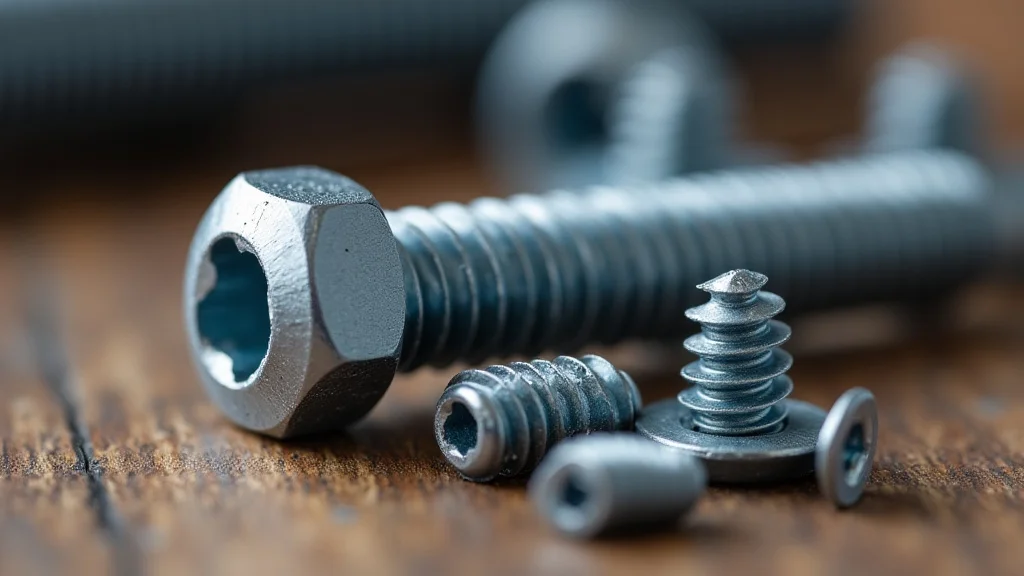
Ever found yourself staring at a hardware store shelf, utterly bewildered by the tiny numbers and symbols? Perhaps you’re building a bookshelf, fixing a wobbly chair, or even just attempting a simple DIY project. The phrase, what does #8 screw mean, likely pops into mind at some point, right? This seemingly cryptic designation unlocks a wealth of information about a screw’s size, its potential uses, and what tools you’ll need. This post breaks down the mystery, clarifying what those numbers and symbols really signify. By the end, you’ll be able to confidently choose the correct screws for your projects, saving time, money, and frustration. You’ll gain valuable knowledge that boosts your confidence and improves your project results, improving your time on page and reducing your bounce rate.
Key Takeaways
- A #8 screw designation specifies its diameter and thread characteristics.
- The “#” number indicates the screw’s gauge, with higher numbers representing larger diameters.
- Screw length is measured in inches, and is a separate, but equally important, factor.
- Understanding screw types (e.g., wood, sheet metal) is crucial for selecting the right fastener.
- Different screw heads (e.g., flat, pan, oval) are designed for specific aesthetic and functional purposes.
- Proper use of a screw gauge tool ensures accurate screw selection for various applications.
Unpacking the Numbers: What Does the Numbering System Signify?
The system used to identify screws might seem like a secret code, but it’s really quite straightforward. The core of this system is the gauge number, which is often preceded by a “#” symbol. So, when you see a #8 screw, the “8” is the gauge number, and it represents a diameter. Specifically, it relates to the major diameter of the screw threads. The higher the number, the larger the screw’s diameter. This system is not a direct measurement in inches or millimeters; it’s a standardized sizing system that makes it easier to compare screws across different manufacturers. It’s a key part of choosing the right screw for the job, as the diameter determines how well the screw will fit into a pre-drilled hole or how much material it will displace. Understanding this will help ensure a secure and long-lasting fastening.
Diameter and Gauge Explained
The gauge number is the primary indicator of a screw’s diameter. It isn’t a direct measurement, but a reference. A #8 screw has a major diameter of approximately 0.164 inches (4.17 mm). As you increase the gauge number, the diameter increases as well. For example, a #6 screw has a smaller diameter than a #8, while a #10 screw has a larger diameter. This sizing is standardized, so that you can reliably match screws to pre-drilled holes or use them with specific hardware components. The gauge number helps determine how much material a screw will displace, the strength of the connection it will provide, and the appropriate pre-drilling requirements.
- #4 Screw: Smallest common size, often used for delicate tasks.
- #6 Screw: A step up in size, used for lighter fastening applications.
- #8 Screw: Mid-range size, appropriate for general-purpose tasks like furniture assembly.
- #10 Screw: Larger size, used for more demanding applications.
For more specific applications, screws are also available in larger sizes such as #12 and #14, and in various lengths to suit particular projects. Keep in mind that diameter and length work together to determine the overall suitability of a screw for your work. Correct selection prevents damage and ensures durability.
Screw Length: A Crucial Consideration
While the gauge number indicates diameter, the length of the screw is just as important. Screw length is usually measured in inches, although metric measurements may also be used depending on the region and the specific type of screw. The length measurement is taken from the underside of the head to the tip of the screw. Choosing the right length ensures that the screw penetrates deeply enough to create a strong connection, but not so long that it protrudes through the material or damages underlying components. The length you choose should be based on the thickness of the materials being joined and the depth needed for a secure hold. Incorrect length can weaken joints and impact your project’s longevity.
Proper measurement of screw length is essential for good results. You can often find the length marked on the screw packaging. If you are unsure, it is better to measure the screw itself. In projects where you’re working with thin materials, shorter screws are preferable. When working with thicker materials or when maximum holding power is needed, longer screws might be necessary. Careful attention to both diameter and length will give you the best results.
Thread Pitch and Screw Characteristics
Thread pitch, which is the distance between threads on a screw, is another essential factor. Although not always explicitly labeled on the screw itself, thread pitch is a crucial element that impacts a screw’s performance. Generally, screws are manufactured with standard thread pitches that are matched to their size. For example, a #8 screw will typically have a specific thread pitch. Knowing the thread pitch is essential for knowing the screw’s strength and holding capabilities, as well as its ability to properly engage with the materials being joined. When using nuts, you should have the same thread pitch in order to ensure they work correctly together.
The thread pitch plays a major part in how the screw functions within the material. Fine-threaded screws are typically suited for harder materials, and offer more resistance to loosening from vibrations. Coarse-threaded screws are more often used in softer materials like wood, where they create a stronger grip. When selecting a screw, consider the material you are using and its specific demands. Matching the correct thread pitch to the material will ensure better results. It will give the screw a firm hold and prevent stripping the threads during installation.
Different Types of Screws and Their Purposes
Choosing the right screw goes beyond just the gauge number and length; you must also consider the type of screw. Different screw types are engineered for different materials and tasks. This is because each has a unique design that is suited for a particular material’s properties and the demands of a specific application. Understanding these differences will help ensure that you select the most appropriate fastener for your project, resulting in a stronger and more reliable connection. Using the correct screw type also helps prevent damage to the materials you are working with.
Wood Screws: Designed for Woodwork
Wood screws are specifically engineered for use in wood. They have a coarse thread designed to grip the wood fibers securely, and a tapered shank that makes it easier to drive them into the wood. The coarse threads allow for efficient material removal, reducing the amount of force needed to insert the screw, and preventing the wood from splitting. Different head styles, such as flat, oval, and round, are available for different aesthetic and functional needs. The sharp point of a wood screw helps with initial penetration, making it easy to start the screw in the wood. It is an excellent choice for any type of carpentry work.
- Coarse Threads: These allow for secure grip in wood and efficient material displacement.
- Tapered Shank: This design helps prevent splitting, particularly in hardwoods.
- Sharp Point: This helps the screw easily penetrate the wood at the start.
- Variety of Head Styles: Flat, oval, and round heads can be found, allowing you to choose one to meet the design needs of your project.
Sheet Metal Screws: For Metal and Thin Materials
Sheet metal screws are specifically made for use in metal and other thin materials. They often have a finer thread pitch than wood screws, and a sharper point, designed to pierce the metal. The sharp point and the self-tapping threads of sheet metal screws allow them to create their own mating threads as they are driven into the material. This eliminates the need for pre-tapping holes, streamlining the assembly process. They are suitable for various applications, including fastening metal sheets, attaching hardware to metal surfaces, and assembling various metal components.
- Fine Thread Pitch: Designed to provide a secure grip in metal.
- Sharp Point: This enables easy penetration.
- Self-Tapping: These screws form threads as they are driven in, simplifying assembly.
- Various Head Styles: Including pan, hex, and flat heads, you can choose to meet functional needs.
Drywall Screws: Designed for Drywall Installation
Drywall screws are designed explicitly for installing drywall panels. They often have a bugle head designed to sit flush with the drywall surface, and a sharp point for easy penetration. The threads are designed to grip the drywall and the underlying studs. Drywall screws are typically made of steel and treated with a corrosion-resistant coating. This ensures that the screws do not rust or degrade over time, preserving the integrity of the drywall installation. These screws are essential for achieving a smooth and professional finish, providing a solid foundation for the drywall panels.
- Bugle Head: Designed to sit flush with the drywall surface.
- Sharp Point: Allows for easy penetration of the drywall.
- Coarse Threads: Designed to grip the drywall and studs firmly.
- Corrosion-Resistant Coating: Ensures the screw’s longevity and prevents rust.
Other Specialty Screws
There are many other specialty screws available, each designed for specific applications. For example, machine screws are made to be used in conjunction with a nut or tapped hole. Self-drilling screws can drill their own pilot hole, eliminating the need for pre-drilling. Deck screws are designed to be used outdoors, and are often made with corrosion-resistant coatings. These screws are designed for unique demands. Knowing these will allow you to make the right choice for the job.
Different Screw Heads and Their Applications
The head of a screw is more than just a place to apply a driver; it also has a significant impact on the final look and the functional performance of a fastener. Different screw heads are designed for various purposes. These design differences affect how the screw sits within the material and how the screw head functions in relation to the surrounding surfaces. These elements influence the overall appearance and performance of the assembled product. By understanding the function of each head style, you can select the most appropriate screw head for your project, enhancing both aesthetics and functionality.
Flat Head Screws: Flush and Clean
Flat head screws are designed to sit flush with the surface, providing a clean, streamlined look. The countersunk head allows the screw to be fully recessed into the material, leaving no visible protrusion. They are a good choice when you want a smooth surface, like furniture or cabinets. Because the head is countersunk, it requires the material to be pre-drilled with a countersink bit to accommodate the screw head. This ensures that the screw sits perfectly flush. This design is also useful for areas where a protruding head might get caught or interfere with other components. This offers a neat and professional appearance.
- Countersunk Head: Allows for flush installation.
- Clean Appearance: Provides a smooth, seamless surface.
- Requires Countersinking: The material needs to be prepped for the screw head.
Pan Head Screws: Versatile and Secure
Pan head screws feature a rounded head with a flat bearing surface. This head style offers a wide surface area, making it suitable for applications that require a secure grip. The broad head helps to distribute pressure over a larger area, which reduces the chance of stripping the material, making them ideal for softer materials. Pan head screws are often used in appliance repairs, electronics, and general construction, providing a good balance of holding power and ease of use. This versatile head style works for a wide variety of tasks.
- Rounded Head with Flat Bearing Surface: Offers a wide contact area.
- Versatile Use: Suitable for a variety of applications.
- Good Grip: The head helps spread pressure, preventing stripping.
Oval Head Screws: Decorative and Aesthetic
Oval head screws provide a decorative finish. They have a rounded top and a tapered underside, creating an elegant, raised profile. The design is ideal for applications where aesthetics are important, like furniture, cabinetry, and other decorative projects. These screws are often used with decorative washers to enhance their visual appeal. They require a countersunk hole, just like flat head screws. This allows the head to sit partially flush with the surface, giving a clean and refined look. Choosing oval head screws can improve the overall look of your project.
- Rounded Top, Tapered Underside: Provides a raised, elegant profile.
- Decorative Finish: Adds to the visual appeal of the project.
- Used with Washers: Adds to the aesthetic.
Other Head Styles
Besides flat, pan, and oval heads, there are other screw head styles available. For example, a round head screw offers a rounded profile that is suitable for applications where a raised head is acceptable. Hex head screws have a hexagonal head, which can be driven with a wrench or a driver. This design provides increased torque and is ideal for applications where a strong hold is needed. Knowing the range of screw head options will allow you to choose one based on your project’s specific needs, balancing aesthetics, functionality, and ease of installation.
Using a Screw Gauge Tool
Using a screw gauge tool is a good way to identify screws. The tool’s design ensures accurate measurement, and it removes the guesswork. You simply insert the screw into the appropriately sized slots on the gauge. The gauge will indicate the diameter (gauge number), the thread pitch, and the overall length of the screw. A screw gauge tool is especially useful for quickly identifying existing screws or determining the correct size needed for a project. It streamlines the selection process and helps you choose the correct fasteners for the job. This tool is valuable to both beginners and seasoned professionals.
How to Use a Screw Gauge
To use a screw gauge tool, first, find the screw you want to identify. Place the screw in the slots on the tool that correspond to the gauge numbers. The slot that the screw fits snugly into will show the screw’s diameter. Then, to determine the screw’s length, place the screw along the measurement markings on the tool. The end of the screw should align with the marking that indicates its length. A screw gauge may also have features to assess the thread pitch. This method ensures that you have the right screw for your needs, removing any doubts and reducing the risk of errors.
Benefits of Using a Screw Gauge
Using a screw gauge brings several benefits. It offers precise measurement of screw diameter and length. This accuracy will eliminate the need for estimation, reducing the chances of using the wrong size screws. A screw gauge also simplifies the process. It offers a quick and easy means to identify screws, saving time and effort, especially when working on multiple projects. This tool removes the need for calipers or rulers. A screw gauge is a must-have for every DIY enthusiast and professional tradesperson, boosting accuracy and efficiency.
| Feature | Benefit |
|---|---|
| Accurate Measurements | Precise identification of screw dimensions. |
| Time Saving | Quick identification of screw sizes. |
| Versatility | Suitable for identifying various types of screws. |
Common Myths Debunked
Myth 1: All Screws with the Same Gauge Number Are Identical.
While the gauge number indicates the screw’s diameter, it doesn’t tell the whole story. The length, head style, thread type, and material all significantly affect a screw’s performance. For example, a #8 screw can be a wood screw with a coarse thread, a sheet metal screw with a fine thread, or even a drywall screw with a bugle head. These variations mean that seemingly identical screws with the same gauge number are designed for different jobs.
Myth 2: You Can Always
This is often untrue. Replacing a screw should not be based only on its diameter. The length is crucial for proper grip and connection. Using a screw that is too short might not securely fasten the materials. Conversely, a screw that is too long could break through the other side or interfere with the functionality of the product. The material of the original screw and the type of thread also affect performance.
Myth 3: Tightening Screws as Much as Possible Guarantees a Stronger Connection.
Overtightening screws can lead to problems like stripping the threads, damaging the materials, or even snapping the screw head. Overtightening can also distort the materials being joined, leading to an imperfect assembly. The correct torque, which is the amount of twisting force applied to the screw, is key to getting a secure yet damage-free connection. Always check the manufacturer’s recommendations for torque specifications.
Myth 4: Pre-drilling is Always Necessary.
While pre-drilling is recommended for most applications, it isn’t always needed. Self-tapping screws, such as sheet metal screws and some wood screws, are designed to create their own threads as they are driven into the material. However, pre-drilling is necessary when using standard screws in hard materials to prevent splitting. Knowing when to pre-drill versus when to use self-tapping screws will optimize your project’s outcome and ease of assembly.
Myth 5: All Screws Are Made of the Same Material.
Screws come in a wide range of materials, including steel, stainless steel, brass, and even plastic. The material affects their strength, durability, and corrosion resistance. For example, stainless steel screws are ideal for outdoor use because they do not rust. Choosing the right material for the job is essential for the screw’s longevity and performance. This also prevents corrosion or other damage that could weaken the connection.
Frequently Asked Questions
Question: What is the difference between a #8 screw and a #10 screw?
Answer: A #10 screw has a larger diameter (about 0.190 inches) than a #8 screw (about 0.164 inches). This means a #10 screw is thicker and typically used for applications requiring greater strength.
Question: How do I know what length screw to use?
Answer: Measure the combined thickness of the materials you are joining and select a screw that is slightly longer. The screw should penetrate at least halfway into the second material for a secure hold, but not protrude.
Question: What is a countersunk head screw?
Answer: A countersunk head screw has a cone-shaped head designed to sit flush with the surface. This type of screw is often used in applications where a smooth, uninterrupted surface is needed.
Question: Can I use wood screws in metal?
Answer: It’s generally not recommended. Wood screws have coarse threads and are designed for wood. They may not effectively grip metal and could strip the threads. Sheet metal screws are designed for metal.
Question: What does the thread pitch mean?
Answer: Thread pitch is the distance between each thread on the screw. This measurement affects how well the screw grips the material and how much resistance it has to loosening.
Final Thoughts
So, what does #8 screw mean? Now you have the information to easily decipher that mysterious number. It’s more than just a measurement; it’s a key to unlocking success in your projects. We’ve explored diameter, types, and head styles, each playing a crucial part in ensuring a strong and secure fastening. By understanding the specifications of a #8 screw, and other sizes, you can pick the right fasteners for the job. Remember, selecting the appropriate screw is essential for any construction, repair, or DIY project. Take your newfound knowledge and use it to your advantage. Go forth, equipped with the knowledge of screws, and build with confidence!