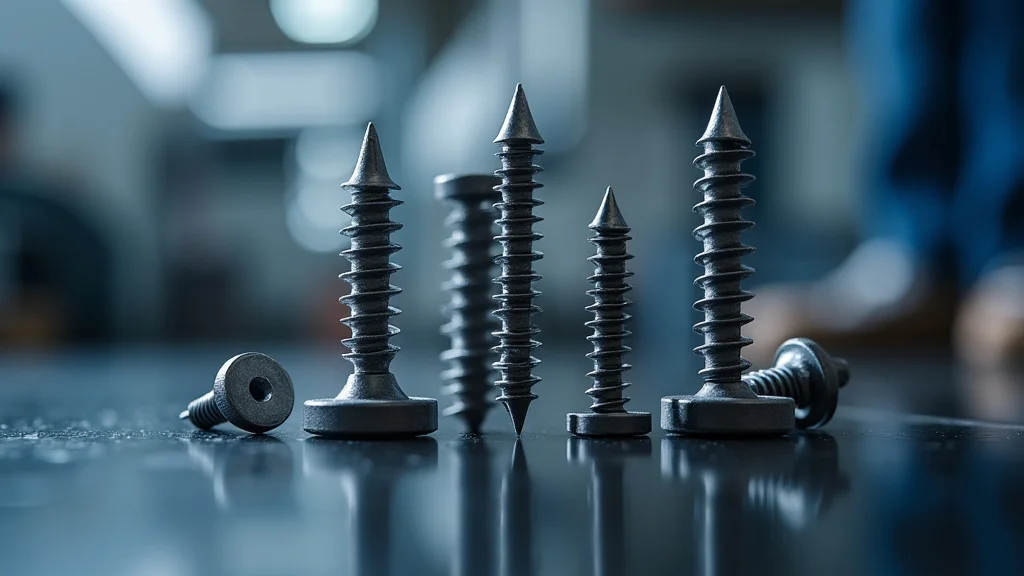
Imagine you’re building a bookshelf. You’ve carefully measured the wood, cut everything perfectly, and then. the screws strip. Frustrating, right? This article explores the world of z screws, explaining what they are, how they work, and why they’re a smart choice for various projects. By the end, you’ll gain a solid grasp of these often-overlooked fasteners. This will help you choose the right z screws for your needs, ensuring your projects are strong and last.
Key Takeaways
- Learn the primary uses of z screws in various applications.
- Discover the advantages of using z screws compared to other screw types.
- Understand how the unique design of z screws enhances holding power.
- Explore different types and sizes of z screws and their appropriate uses.
- Get tips on selecting the ideal z screws for specific materials.
Unveiling the Essentials of Z Screws
Fasteners are critical in construction, woodworking, and many other applications. Among these, screws hold a prominent place. They provide secure connections, but the choice of screw can dramatically affect the project’s longevity and structural integrity. Z screws are designed to offer superior performance. This section explores what makes these screws stand out from the crowd.
What Are Z Screws?
Z screws are a specialized type of screw distinguished by their unique thread design. They are particularly effective in sheet metal, thin plastics, and wood. Unlike standard screws, z screws have a modified thread pattern optimized for grabbing and holding materials tightly. The design allows them to create their own threads as they are driven into the material. This self-tapping feature simplifies installation and reduces the chance of stripping the material.
The threads of a z screw are often wider and deeper than those of other screws, enhancing their grip. This thread design provides increased resistance to pull-out forces, which is essential when materials need to withstand stress or vibration. The sharp point of a z screw also aids in the initial penetration, making it easier to start the screw. This combination of features makes z screws a preferred choice where a secure and lasting hold is needed.
Construction and Design
The design of a z screw incorporates several features that contribute to its efficiency. The head type, thread design, and material composition are all chosen to optimize performance. Different head styles, such as flat, pan, and round heads, accommodate various needs depending on aesthetics and the depth of the countersink. The thread pitch, or the distance between each thread, influences the screw’s ability to hold and the speed of installation.
The materials employed in manufacturing z screws also are crucial to their strength and corrosion resistance. The steel that is used can be carbon steel, stainless steel, or alloy steel, providing varying levels of hardness and durability. Stainless steel z screws, for instance, are the ideal option for outdoor projects or projects that are exposed to moisture, because they prevent rust and ensure a longer lifespan. The design and materials are carefully chosen to ensure that the screw can resist various conditions.
Applications of Z Screws
Z screws prove highly useful in a wide range of applications. Their self-tapping capabilities and strong hold make them ideal for joining sheet metal components, such as in the automotive and appliance industries. They are also widely used in woodworking for attaching hinges, assembling furniture, and creating structural frames. The versatility of z screws means they have a place in many different projects.
Their precision and ease of use also make them a suitable option in electronics and model-making, where delicate parts are frequently assembled. In construction, z screws can be employed for fastening metal studs to wood framing or attaching drywall. Because of this, it is easy to find the right z screw for each project. The specific application determines the head type, size, and material of the screw that should be used.
Advantages of Choosing Z Screws
Compared to other screw types, z screws offer several distinct benefits. These advantages often make them the better option, especially for particular jobs. The effectiveness of z screws is evident in their ability to provide tight, secure connections. Here, we delve into the key advantages that set them apart.
Superior Holding Power
One of the primary advantages of z screws is their superior holding power. The thread design is the key here. It provides a more robust grip on the material, which resists pull-out and enhances resistance to vibration. This strength is crucial in applications where the screw connection is subjected to stress or movement. This strong grip prevents materials from separating over time, ensuring a lasting and reliable connection.
This is especially significant in construction, where structural integrity is key. With furniture assembly, the enhanced holding power reduces the likelihood of parts coming loose. In sheet metal work, z screws resist the stresses that the materials encounter. Z screws help your projects stay secure and stand up to normal use. They reduce the need for frequent maintenance.
Ease of Installation
Z screws are made for easy installation, a considerable advantage for both professional workers and home DIYers. The self-tapping design means that the screw can create its own threads as it is driven into the material. This simplifies the process, cutting down on installation time and reducing the effort needed. The design also removes the need to pre-drill pilot holes in many materials, making it easier to quickly begin work.
Easy installation is not just about convenience; it also reduces the likelihood of errors. The ability to drive z screws in without needing pilot holes lowers the chances of material splitting or damage. Whether you are assembling furniture, working with sheet metal, or completing any project, ease of installation boosts the efficiency of the overall project, allowing you to complete your project with less difficulty and more accuracy.
Versatility in Materials
Z screws are designed for multiple materials, including sheet metal, plastics, and wood. This versatility makes them a valuable choice for a wide variety of tasks. Their compatibility with diverse materials removes the need to keep multiple types of screws on hand. The ability to use z screws on different materials simplifies the selection process.
The adaptability of z screws to different materials makes them an invaluable addition to any toolbox. They allow you to shift between tasks and materials with the same reliable fastener. The versatility enhances project efficiency and decreases the need for various types of fasteners. Z screws can meet the needs of any project, from furniture assembly to automotive repair.
Selecting the Right Z Screws for Your Project
Choosing the correct z screws is important for the success of any project. The type of material, the screw’s role, and the environment it will be in all influence the choices you make. Understanding the different types, sizes, and materials is key. Choosing the right z screws requires careful thought. This helps ensure that your project is both strong and enduring.
Types and Sizes of Z Screws
Z screws are available in several types and sizes, each designed to meet a particular need. The dimensions of the screw—the diameter, length, and thread pitch—are chosen based on the thickness and kind of materials that will be joined. The head style can affect both the look and the screw’s performance. The available varieties ensure that you can get the best match for the specific needs of your project.
The diameter of the screw determines its thickness, which influences its strength and the amount of material it can secure. Length is key for fitting the screw into the material. The thread pitch, which is the distance between the threads, affects how well the screw grips and resists pull-out. The right diameter, length, and thread pitch are important for optimal efficiency and the project’s overall structural integrity.
Head styles can be chosen based on the requirements of the project. Flat head screws sink flush with the material surface, providing a smooth finish, while pan head screws have a rounded head that offers a larger bearing surface. Round head screws are another good option for an appealing aesthetic. You must choose a screw head that will suit your needs.
Material Considerations
The material of the z screw affects its strength and durability. Steel z screws are a common choice due to their strength and cost-effectiveness. The materials are an important consideration when selecting the ideal z screw. The material’s resistance to corrosion, strength, and suitability for the project’s application are all factors.
Stainless steel z screws are ideal for projects that involve exposure to moisture or the outdoors. The alloy is corrosion-resistant, which ensures a long life. They’re a good choice for projects exposed to the weather, like building decks or outdoor furniture. When used in construction projects, stainless steel screws help prevent the need for
Choosing the correct material ensures that the z screws meet your requirements. For projects involving high loads, alloy steel screws are a good choice. Carbon steel screws offer a balanced combination of strength and affordability. The ideal screw material for your project should match the material and the intended use. Choose the right material to ensure your project’s longevity and structural integrity.
Selecting for Different Materials
Z screws‘ efficiency depends on the materials being fastened. The materials being joined should be taken into consideration. Understanding the characteristics of the materials being used in a project ensures a strong and dependable connection. The correct selection of z screws can prevent damage to your materials.
For sheet metal, a z screw with a sharp point and coarse threads is perfect for quick and effective fastening. The sharp point makes penetration simpler, and the thread creates a secure hold. When working with plastic, it is essential to use screws that are designed for plastic materials to avoid splitting or cracking. These screws have a gentler thread profile and a blunt tip.
When working with wood, you can select screws with a coarser thread to get a strong grip. Pilot holes will help prevent splitting, especially in harder woods. A z screw with the correct length and head style will not only enhance the strength of the joint but also improve the final look of your project. Choosing the best z screws will ensure your project is successful and looks good.
Real-World Applications and Examples
The practicality of z screws is best demonstrated through real-world applications. These examples highlight their versatility. The following case studies showcase how z screws have improved projects. This gives you a clear sense of their capabilities.
Case Study 1: Automotive Repair
In the automotive industry, z screws are often used. Consider a car repair where a mechanic needs to replace a metal panel. Standard screws may not securely fasten the new panel, especially if the original holes are worn or if the metal is thin. Here is an example to show how z screws can be used in this type of repair.
- The mechanic uses a flat-head z screw. The screw pierces the metal without needing a pre-drilled hole, because it has a sharp point.
- The self-tapping threads of the z screw hold the new panel firmly in place, resisting vibration.
- The flat head offers a flush, clean finish, improving the look of the repair.
The result is a sturdy, lasting repair that holds up against road conditions. This is a good example of how z screws are strong in harsh environments, making the repair process quicker and more effective.
Case Study 2: Furniture Assembly
DIY furniture assembly is another good example of the effectiveness of z screws. The z screw can be used to join wood or composite materials in a wide array of projects. These screws are designed for providing a secure and reliable hold in the materials.
- When building a bookshelf, the user uses z screws with a round head.
- They use the self-tapping ability of the screw, which allows for fast and simple installation without pilot holes.
- The z screws tightly join the pieces of the bookshelf, ensuring stability and reducing the likelihood of loosening over time.
The furniture is sturdy, and assembly is simplified. This makes z screws suitable for many furniture assembly projects, guaranteeing the finished product’s stability and longevity.
Case Study 3: Home Improvement
During a renovation, the homeowner decides to install a new drywall ceiling. The homeowner is trying to improve the aesthetic value of the home by installing drywall.
- The homeowner uses z screws with a specific thread pattern suitable for drywall applications.
- The z screws are screwed into the ceiling joists to securely hold the drywall sheets.
- The z screws prevent the drywall sheets from sagging.
The drywall installation is fast and sturdy. This illustrates the benefit of z screws. They help home improvement projects and boost structural integrity.
Common Myths Debunked
Misconceptions about z screws can confuse people, so it’s important to debunk some common myths. Separating fact from fiction helps in choosing the proper fasteners. Addressing these myths gives you a better understanding of how z screws function and when they’re useful.
Myth 1: Z Screws are Only for Metal
Many believe that z screws are only for metal. In reality, while they are excellent for metal, they are also versatile. They are very often used in wood and plastic as well. Their self-tapping threads allow them to be used in various materials. The key is choosing the right size and type for the job.
Myth 2: Z Screws Always Require Pilot Holes
A common misconception is that z screws always need pilot holes. This is not always true, as the self-tapping design of z screws enables them to create their own threads as they are screwed in. It is true that for certain harder materials, pre-drilling might be needed to make the process easier. For most applications, however, pre-drilling is unnecessary.
Myth 3: All Z Screws are the Same
Some people believe that all z screws are the same, but the reality is that z screws come in many sizes and materials. The right choice depends on your project’s specifications. Z screws vary in terms of head type, thread pitch, and material composition. Choosing the correct type ensures that your project is both strong and enduring.
Myth 4: Z Screws Strip Easily
Some feel z screws are prone to stripping. In fact, their design minimizes stripping compared to standard screws. Their unique thread pattern provides a better grip and more resistance to pull-out forces. When using z screws, ensure that you choose the correct screw size, and that you avoid overtightening. This reduces the risk of stripping.
Myth 5: Z Screws are Only for Professionals
Many people assume that z screws are only for professional use. While skilled professionals often use them, they are friendly to DIYers. The self-tapping design simplifies the installation process. They are easy to use for everyone. They are an excellent solution for a wide range of projects, whether you’re a seasoned carpenter or just beginning with DIY.
Frequently Asked Questions
Question: Can I use z screws in outdoor projects?
Answer: Yes, but choose stainless steel z screws to resist rust and corrosion. This will extend the life of your project.
Question: Do I always need to pre-drill when using z screws?
Answer: No, in most cases, z screws are self-tapping and do not require pre-drilling. However, harder materials may benefit from pilot holes.
Question: What’s the difference between a z screw and a sheet metal screw?
Answer: Z screws often have a unique thread design, but the exact specifications can vary. Sheet metal screws are designed for fastening metal sheets.
Question: Are z screws stronger than wood screws?
Answer: Z screws can be stronger than some wood screws, particularly when used in the correct materials. Their holding power depends on the thread design and material.
Question: How do I choose the right size z screw?
Answer: Consider the thickness of the materials you are joining, the expected load, and the desired appearance. Consult a fastener guide or ask for professional guidance.
Final Thoughts
Z screws offer substantial benefits for any project involving fasteners. Their unique design, with features like self-tapping threads and enhanced holding power, makes them an excellent option compared to many other screw types. When deciding, the type of material, the screw’s intended use, and the conditions it will encounter should be kept in mind. By selecting the correct z screws and understanding their advantages, you can boost the strength and dependability of your projects. You will gain confidence as you explore the numerous uses of these screws.
Use this information to select and use z screws correctly. Look for the right type of screw for your materials. This will give you confidence to take on any project. By choosing the right z screws and using them correctly, you will ensure long-lasting results. From home repairs to construction projects, z screws help provide strong and reliable connections.